KAMAITACHI
29 September — 24 October 2026, Wednesdays to Saturdays from 3:00 pm to 6:30 pm.
Curated by João Miguel Barros
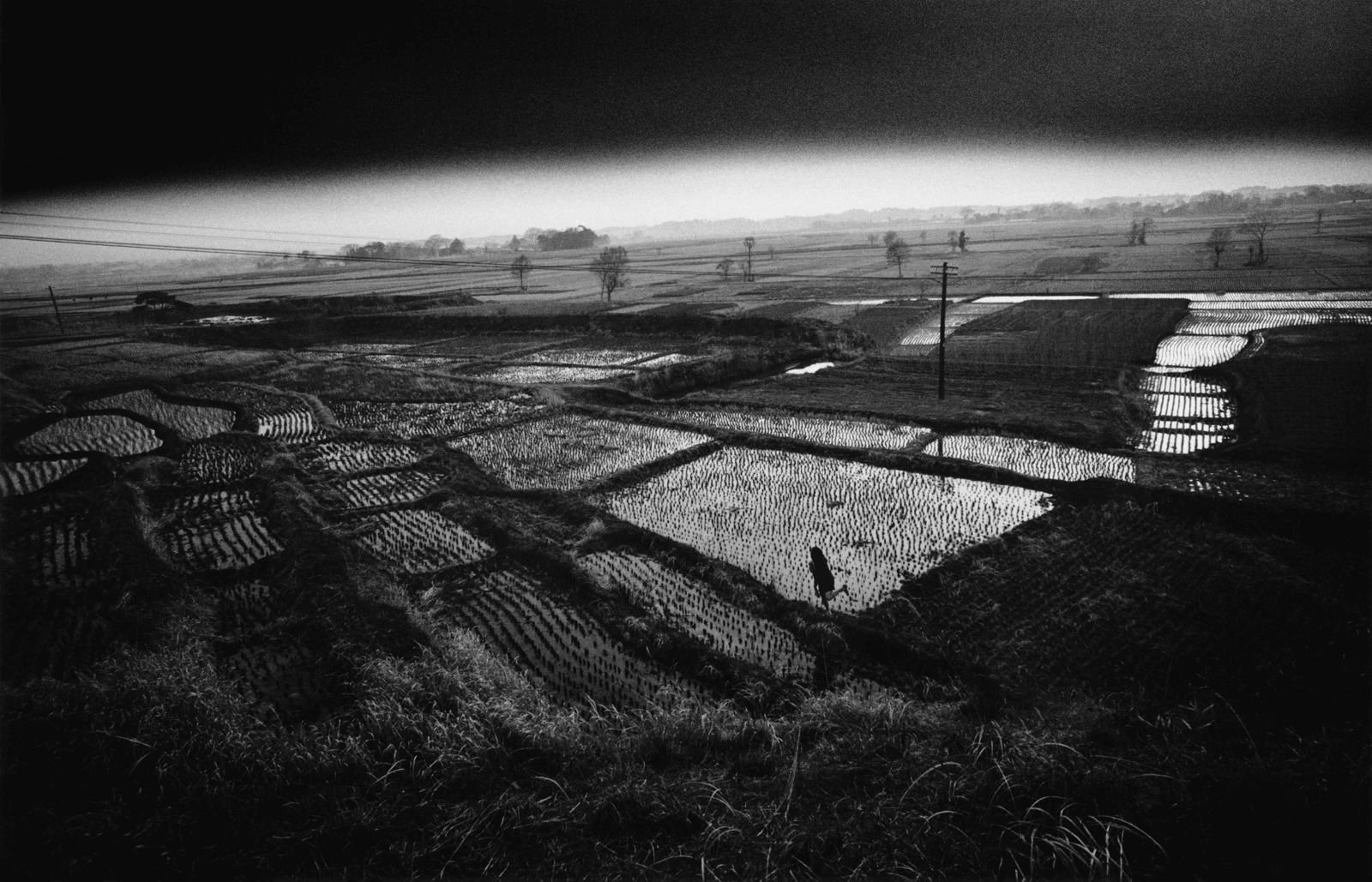
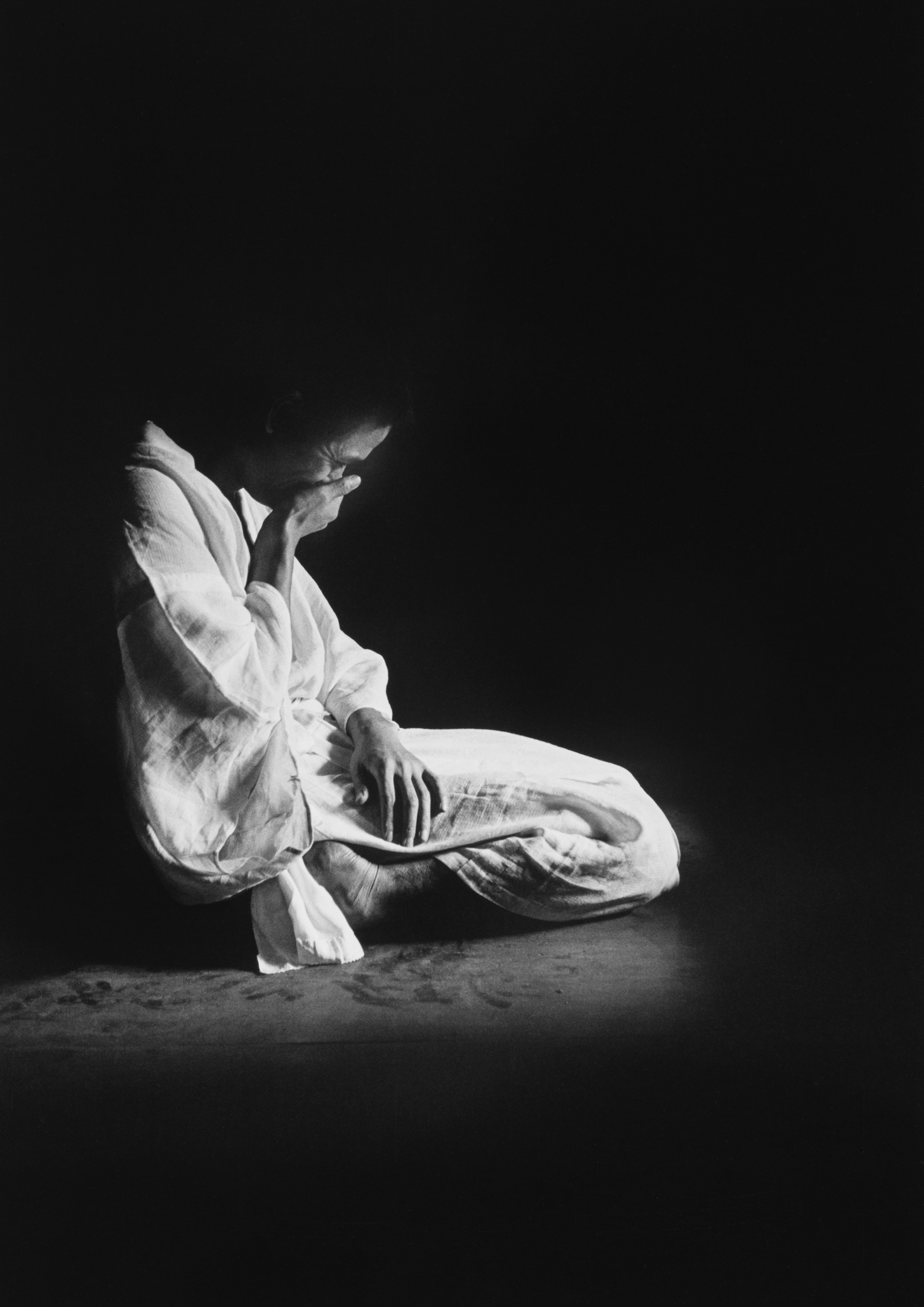
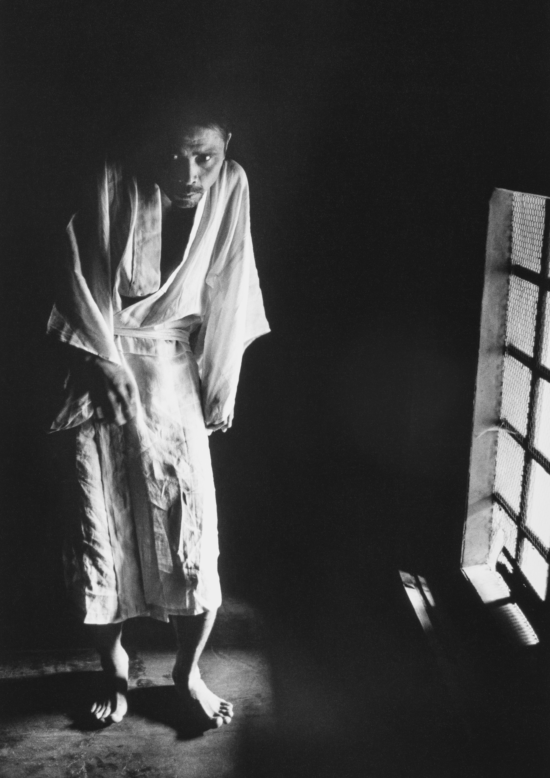
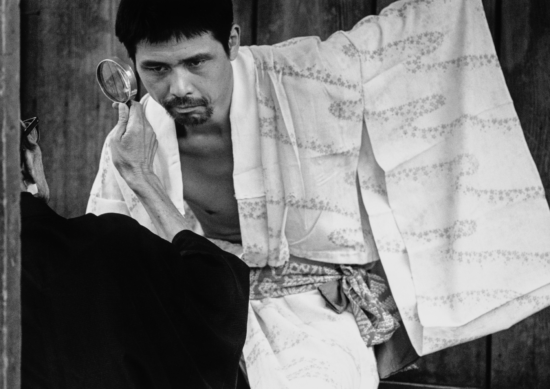
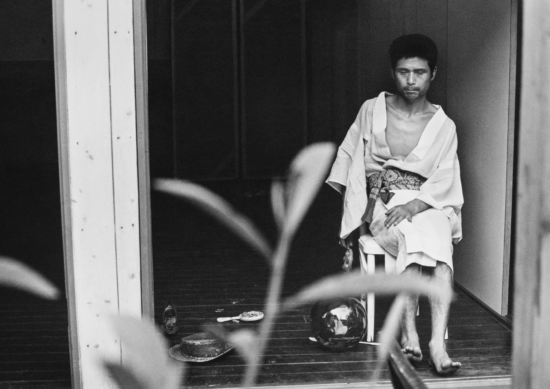
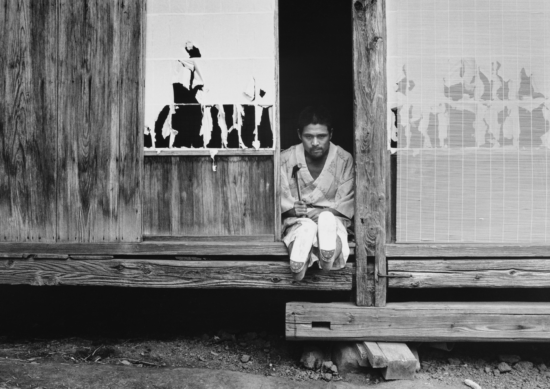
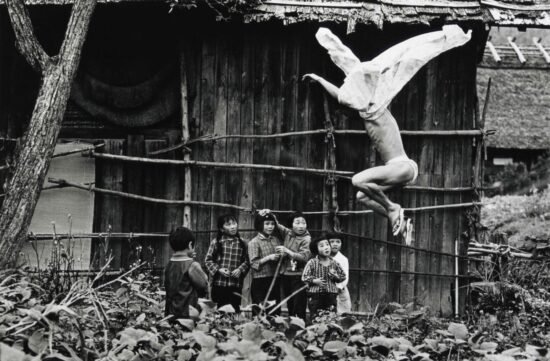
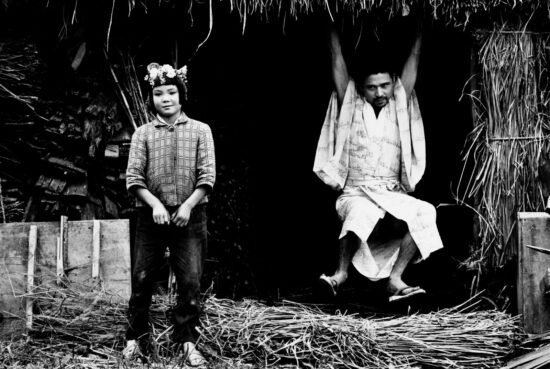
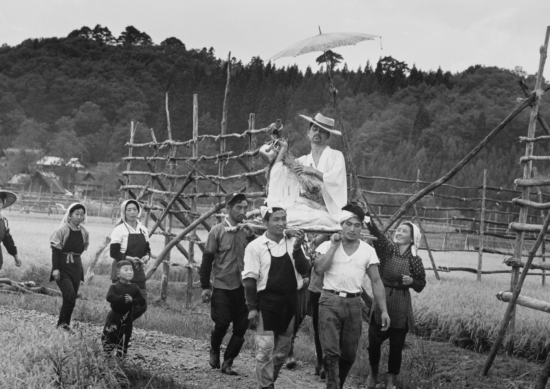
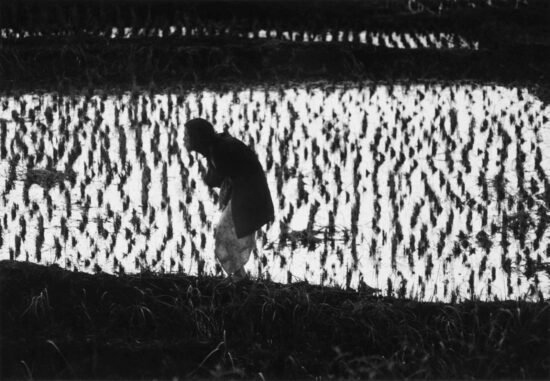
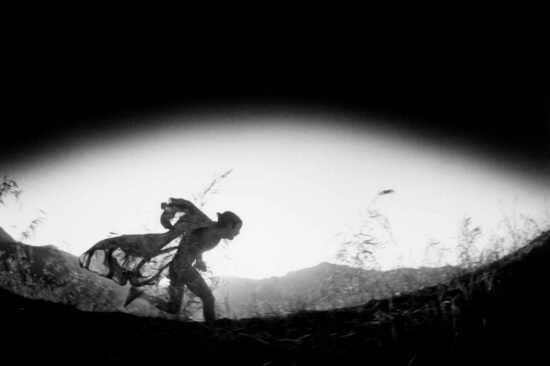
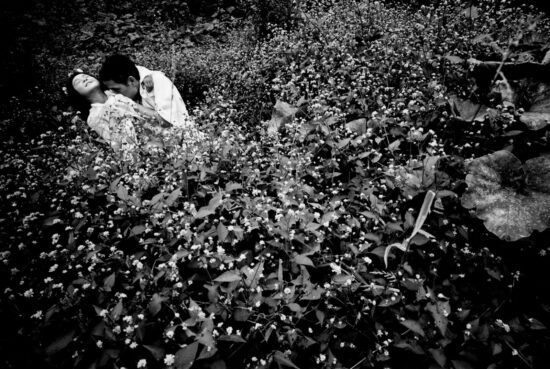
OCHRE SPACE presents Kamaitachi by Hosoe Eikoh, bringing together thirteen photographs from one of the most important collaborations between the photographer and Hijikata Tatsumi, a founding figure of ankoku butoh. The series was photographed between 1965 and 1968 in Tashiro, Tokyo and the fields near Mount Tsukuba.
The exhibition begins with a simple question: what changes when photographs made for a book leave its pages and move onto the walls of a gallery?
In the original 1969 book, designed by Tanaka Ikkō, the photographs are concealed behind blue folding pages. Each image appears only when the reader opens the fold, creating a rhythm of revelation and concealment determined by the hands and the time spent with each photograph.
At OCHRE SPACE, the thirteen photographs remain visible. They are distributed across eight walls in a sequence created specifically for this exhibition. Rather than reproducing the order of the book, the exhibition proposes another reading, inspired by the legend that gives the work its name.
In Japanese tradition, kamaitachi refers to sudden cuts in the skin, attributed to the wind, when nothing can be seen to have caused them. It is also the name of the invisible creature believed to inflict those wounds, often imagined as a weasel with sickle-shaped claws inhabiting a whirlwind. The creature arrives, wounds and disappears; what remains is the cut.
This relationship between what is visible and what escapes the eye runs through both the book and the exhibition. The fold reveals an image that was hidden. The wound reveals the trace of a cause that remains invisible.
Before becoming a book, Kamaitachi was a journey. Hosoe was trying to give form to a childhood memory. Evacuated from Tokyo in 1944, at the age of eleven, he spent the final year of the war in Yonezawa, where he had been born. Two decades later, he travelled with Hijikata to Akita, Hijikata’s native region, where the photographer’s memories encountered the dancer’s body and experience.
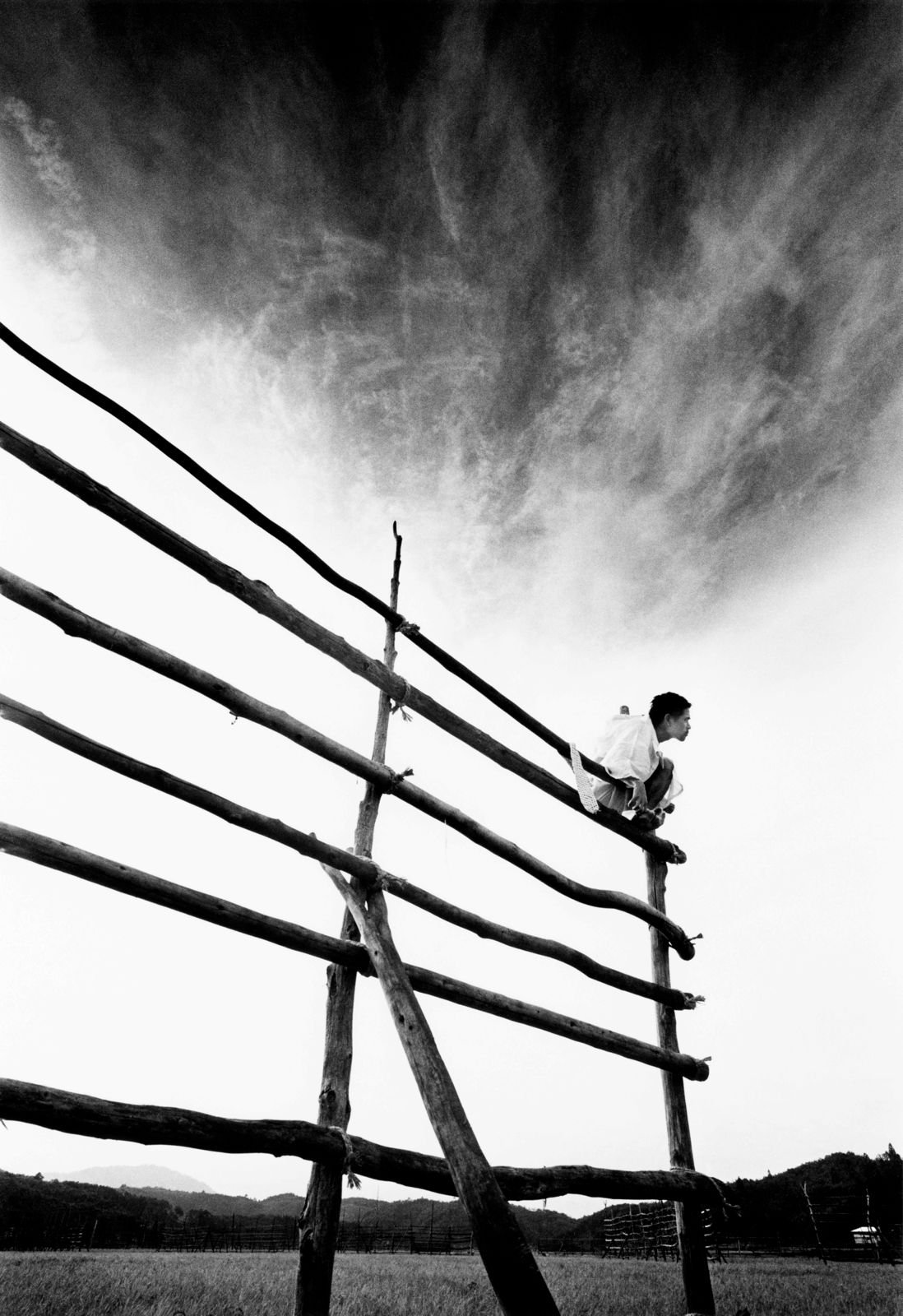
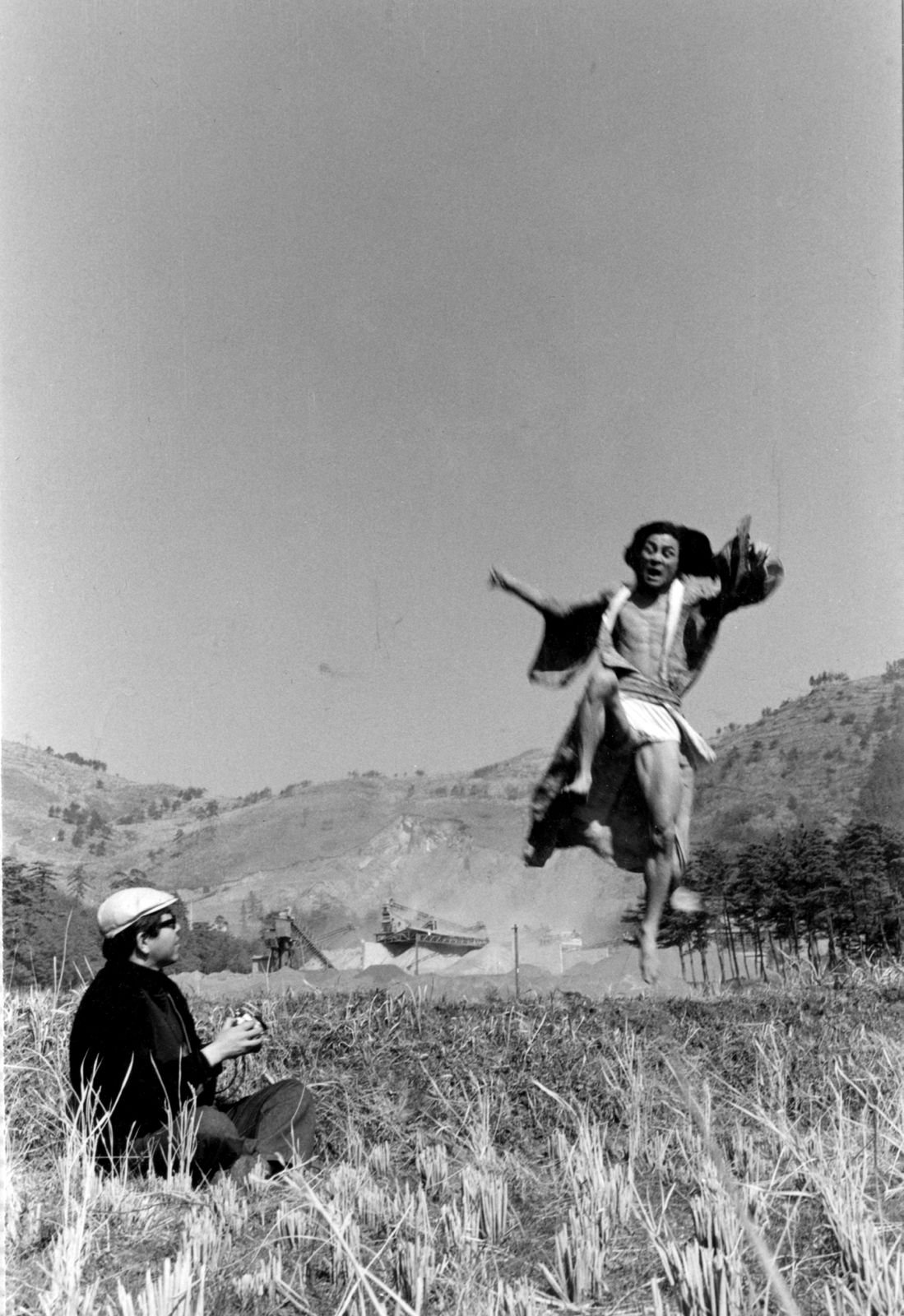
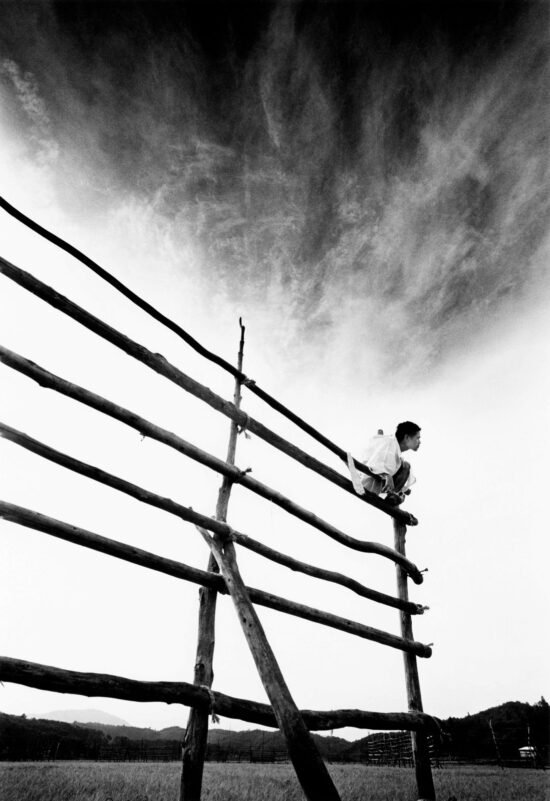
In September 1965, Hosoe and Hijikata worked for two days in the village of Tashiro during the rice harvest. Hijikata climbed rice-drying structures, jumped in front of wooden walls, moved through the fields and involved villagers in improvised actions. Children and adults became part of the photographs, responding to the artists’ invention with gestures of their own.
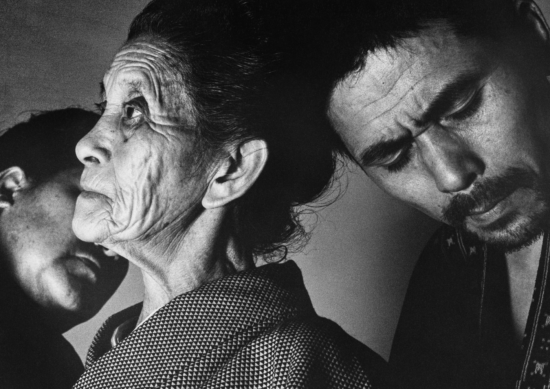
Humour and unease coexist throughout the series. Hijikata appears alternately as performer, visitor and apparition; the villagers observe him, laugh, carry him through the fields and enter the photographic fiction with him. The tension between comedy and tragedy was already present in the title of the 1968 Nikon Salon exhibition, which began with the words “A tremendously tragic comedy.”
The exhibition at OCHRE SPACE follows the legend as a thread rather than as a narrative. It begins with those who receive the strange visitor, moves through interiors and encounters, and gradually opens onto the landscape. The final image returns to the crouching figure high on the rice-drying structure, first encountered at the entrance on a different scale. This return to the beginning evokes the movement of a whirlwind.
The sequence belongs to this exhibition, not to the original book. In the book, the hands move from image to image; here, the visitor crosses those distances with the body. The kamaitachi arrives with the wind and disappears. What remains is the mark. And the mark is the photograph.